

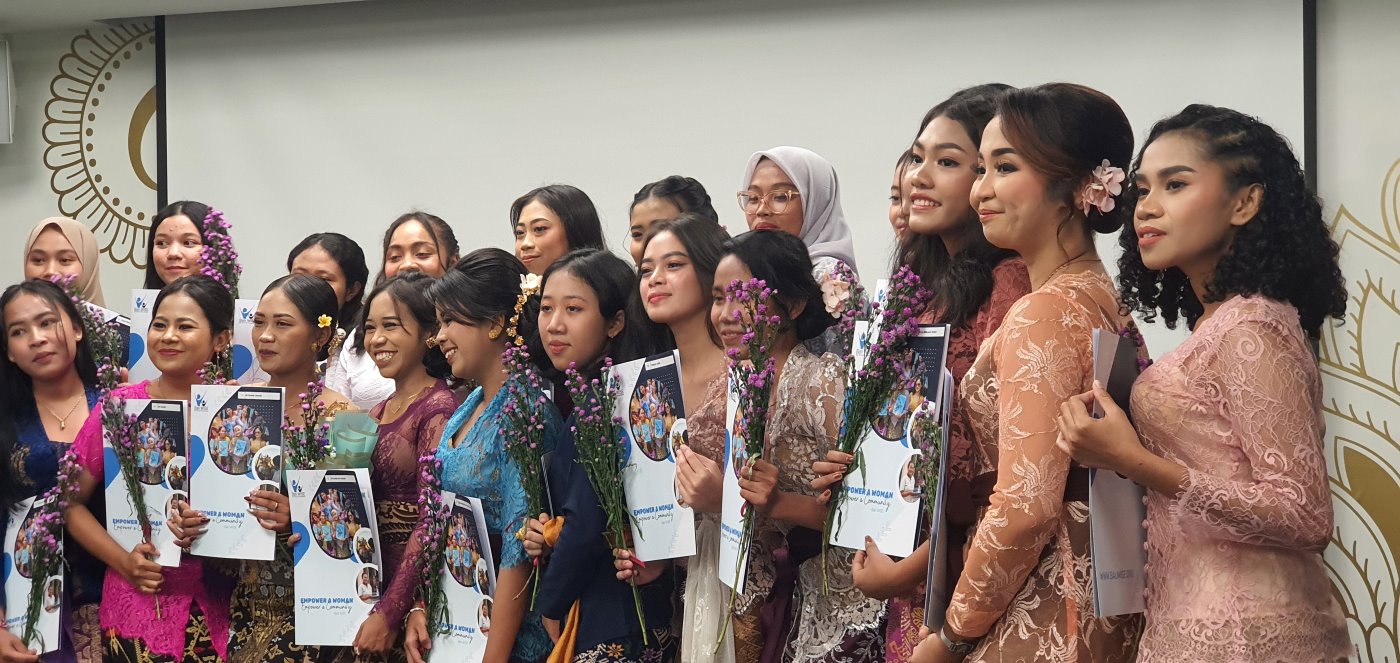
One significant challenge many women face is the difficulty in saying "no" to the demands of others and societal expectations. This issue is deeply tied to both gender and cultural norms. Women are often expected to agree to everything, and in many cultures, refusing a request from family, neighbours, or strangers can be seen as impolite and disrespectful. Consequently, having the courage to say "no" can often lead to labelling a woman as bad-behaved or ungrateful, as it challenges age-old traditions that dictate acceptable behaviour and shape the dynamics of society. In this context, it is crucial to learn how to navigate these pressures effectively. This is where assertiveness can be beneficial.
Cultural Norms and Gender Roles
In Southeast Asia, traditional gender roles are deeply embedded in society. Women are often expected to take on domestic responsibilities, while men are regarded as the primary breadwinners. This division of roles is reinforced by cultural norms and societal expectations, making it hard to change the situation. Women who attempt to step outside these roles may face criticism and social exclusion, which makes it even more difficult for them to assert their independence.
Definition of Assertiveness
Assertiveness is the ability to express one's thoughts, feelings, and needs in a direct, honest, and respectful manner. It is an essential skill for marginalised women in Southeast Asia, as it empowers them to stand up for themselves and confront the stereotypes and expectations that limit their potential. By being assertive, women can communicate their needs and boundaries without feeling guilty or fearing backlash.
Importance of Assertiveness
Assertiveness enables us to express our feelings and share our opinions in a manner that respects others while maintaining our confidence and self-worth. It involves communicating without cornering or attacking the other person. For these reasons, assertiveness is an essential part of Women of Asia's Life-skills training.
Women often face significant pressure from family and community expectations, which they may feel unable to oppose. They are expected to be fully compliant, accommodating, and accepting of the roles assigned to them by older and more influential members of their families and social hierarchies.
Women need to utilise assertiveness tools to shift their attitudes and prioritise their own needs and plans rather than solely meeting the demands of those around them.
Many of our trainees describe everyday situations where someone close to them visits unexpectedly while they are busy with household chores, work, or simply their private lives. This person, under the pretence of a social visit, may linger for hours or even the entire day, expecting to be fed as a matter of courtesy.
Many women are assigned regular jobs and chores by their families, for which they receive no salary, or their families intercept their earnings, claiming they need it more than she does.
There is often an expectation that women should accept a partner chosen by their parents. Cultural norms can lead individuals to borrow money or essential household items that they cannot afford at the moment. Often, there is an assumption that if a woman feels unable to refuse such requests, it implies that she is willing to lend freely, which creates a sense of obligation without any expectation of reciprocity.
Practical Tips for Developing Assertiveness
Know Your Rights: Understanding your rights is the first step to assertiveness. Educate yourself about your rights and the resources that are available to you. This knowledge will empower you to advocate for yourself and others.
Practice Self-Awareness: Acknowledge your thoughts, feelings, and needs. Recognise situations where you feel uneasy or pressured to fit in with societal norms. This mindfulness will enable you to specify where you need to act more assertively.
Exercise Emotion Control: An assertive person manages their feelings and skillfully chooses their words. This control is essential for effectively communicating your needs. It helps prevent others from derailing your emotions or dismissing your perspective. By controlling emotions, you can ensure that your statements and needs are heard and respected.
Use "I" Statements: When expressing your thoughts and feelings, use "I" statements to take ownership of your emotions. For instance, say "I feel" instead of "You make me feel." This approach minimises the likelihood of the other person becoming defensive, facilitating open and effective communication.
Set Boundaries: Clearly define your limits and communicate them to others. Be firm yet respectful when enforcing your boundaries. It is perfectly acceptable to say "no" to requests that make you uncomfortable or conflict with your values.
Seek Support: Find support by surrounding yourself with individuals who respect your boundaries and encourage your assertiveness. Consider joining groups or organisations that advocate for women's rights and empowerment, as these communities can provide valuable resources and a sense of solidarity.
Challenges Faced by Assertive Women
Women living in communities that are accustomed to systemic female submissiveness may face challenges and a lack of acceptance from both their community and families, leading to tensions. Society needs to navigate this transitional period as women move from submissiveness toward full integration, recognising their rights to make decisions about the most critical aspects of their lives.
Breaking Barriers. The Power of Assertive Women
Assertiveness is a powerful tool for marginalised women in Southeast Asia. By developing this skill, women can challenge harmful stereotypes and societal expectations, paving the way for greater equality and empowerment. It is essential to break free from the limitations imposed by traditional gender roles and cultural norms, and assertiveness is a crucial step in this journey. Through education, self-awareness, and support, women can develop the confidence and respect to assert themselves effectively, creating a brighter future for themselves and future generations.
In the upcoming articles of the assertiveness series on https://womenofasia.space and across social media channels, I will provide more detailed guidance on developing assertiveness skills, including available tools and specific life situations, along with advice on how to act assertively in each scenario.


0 Comments